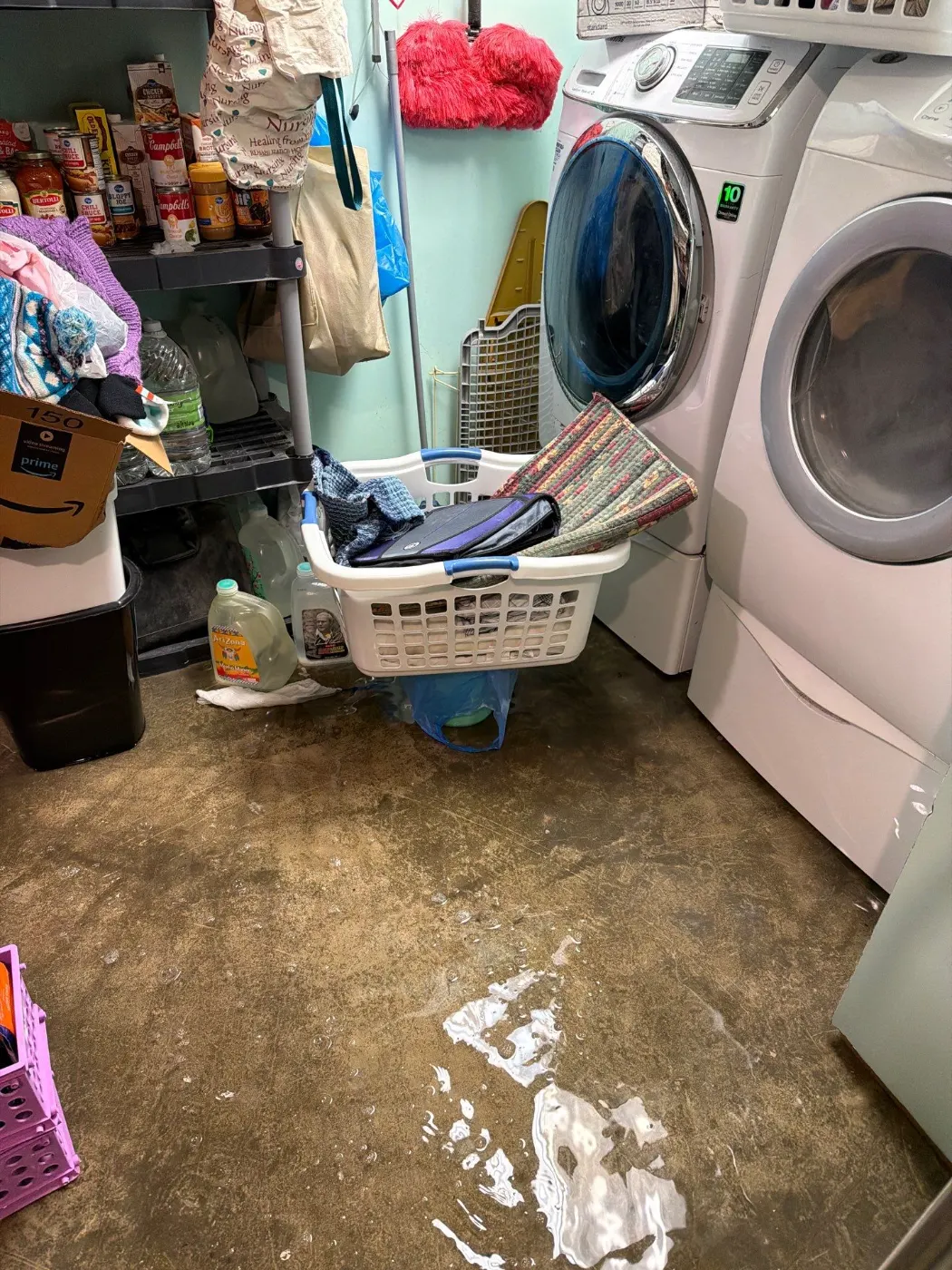
Storm Damage in Cloverdale, IN
Wet insulation out and the cavity dried before the ceiling goes back. Storm water restoration for Cloverdale homes
Cloverdale Water Restoration is the Cloverdale call for Storm Damage: emergency crews around the clock, moisture readings instead of guesswork, and insurance files built properly. Call (463) 241-6041.
- Service: Storm Damage for Cloverdale homeowners
- Service area: Cloverdale, IN and surrounding areas
- Response time: Emergency calls from Cloverdale dispatched immediately, day or night
- Licensed and insured (License #RC21100059)
- Serving Cloverdale, IN since 2018
Storm Damage Cleanup in Cloverdale
We handle storm damage cleanup across Cloverdale, from tarping the opening to drying the house underneath it, and we're out day or night.
Where Storm Water Ends Up
Homes near Mill Creek can see rising water after heavy rain.
After a storm we can be anywhere in Cloverdale, from Deer Field Estates to the roads around the I-70 Exit 41 interchange and Cloverdale Community Park. We also handle storm damage in Putnamville, Greencastle, Roachdale and Belle Union.
Expert Storm Damage for Cloverdale Homeowners
Two ceilings are stained, the hallway smells damp, and you've got no way to tell how far the water went after it came through the roof. That's normal for storm intrusion, because water follows framing and insulation sideways before it ever drops into a room. Cloverdale Water Restoration maps the whole affected area on Cloverdale storm losses with thermal imaging and penetrating meters, prices the work from what those readings show, and dispatches a crew within 2 hours.
On a basement job the crew watches how fast the water comes back. Cloverdale Water Restoration pumps the basement down in Cloverdale, then checks the level again after a set interval, because a fast return means water is still entering. That rate decides whether the drying equipment goes in now or the source gets dealt with first.
The first stage on site is a walk through with you. The technician asks where you first saw water and which rooms were affected, then photographs each one before anything moves. That walk also settles where the equipment will stage and which rooms need the most attention, so the work in your Cloverdale home starts with a plan.
The moisture log is the backbone of a storm file. Cloverdale Water Restoration records daily readings at marked locations on every Cloverdale job, with the dry target from your own house beside them, so the drying days and the equipment count have numbers behind them. Photos and the itemized scope go into the same record, and you keep all of it.
If there's water coming in through your roof or a wall in Cloverdale right now, the useful next step is a phone call. Cloverdale Water Restoration dispatches a crew at any hour to cover the opening and get extraction started. You'll get a moisture map that shows how far the water went.
Signs You Need Storm Damage Restoration
If you notice any of these in your Cloverdale home, schedule a free inspection before the issue worsens.
Attic insulation that looks matted, flattened or darker in patches
Shingle granules piled in the gutters or washed out at the bottom of a downspout
Shingles lifted, curled, or missing where you can see the roof from the ground
Standing water in the track of a sliding patio door after a storm
Baseboard swollen at the bottom edge or pulling away from the wall it was nailed to
Thick ice built up in the gutter with icicles hanging along the edge of the eave
Dark staining or rusted nail points on the underside of attic sheathing and rafters
Carpet near an exterior door that squishes underfoot after wind driven rain
Hardwood boards cupping near a patio door or garage entry
Stored boxes in a basement corner with damp bottom edges or water lines
How Cloverdale Water Restoration Handles Storm Damage
We follow these steps in order on every Cloverdale job.
Power and Safety Check
The crew looks for water near outlets and light fixtures and keeps affected circuits off. Sagging ceilings and slick floors get marked before anyone starts work, and wet electrical gear gets flagged for an electrician.
Water Source Call
The crew checks where the water came in and what it touched on the way, and photographs the entry point. Floodwater that came in at grade gets containment and protective gear before any work starts.
Water Extraction
Standing water gets pumped and extracted before there's any drying equipment in the room. Hard floors are squeegeed and extracted, saturated carpet pad is pulled, and carpet gets detached to reach the subfloor. Water that came in at grade also gets an antimicrobial treatment once the soaked material is out.
Contaminated Material Removal
Porous materials soaked by floodwater, such as carpet and the lower drywall, get cut out and bagged for disposal. Cut heights are photographed and recorded, so the scope and your file show what came out and why.
Daily Monitoring
A technician returns every 24 hours while equipment runs, logs moisture content at the same marked locations, and repositions equipment wherever a zone's lagging. Rain during the drying phase triggers a recheck of the stabilized opening and of the materials sitting under it.
Storm Damage in Cloverdale
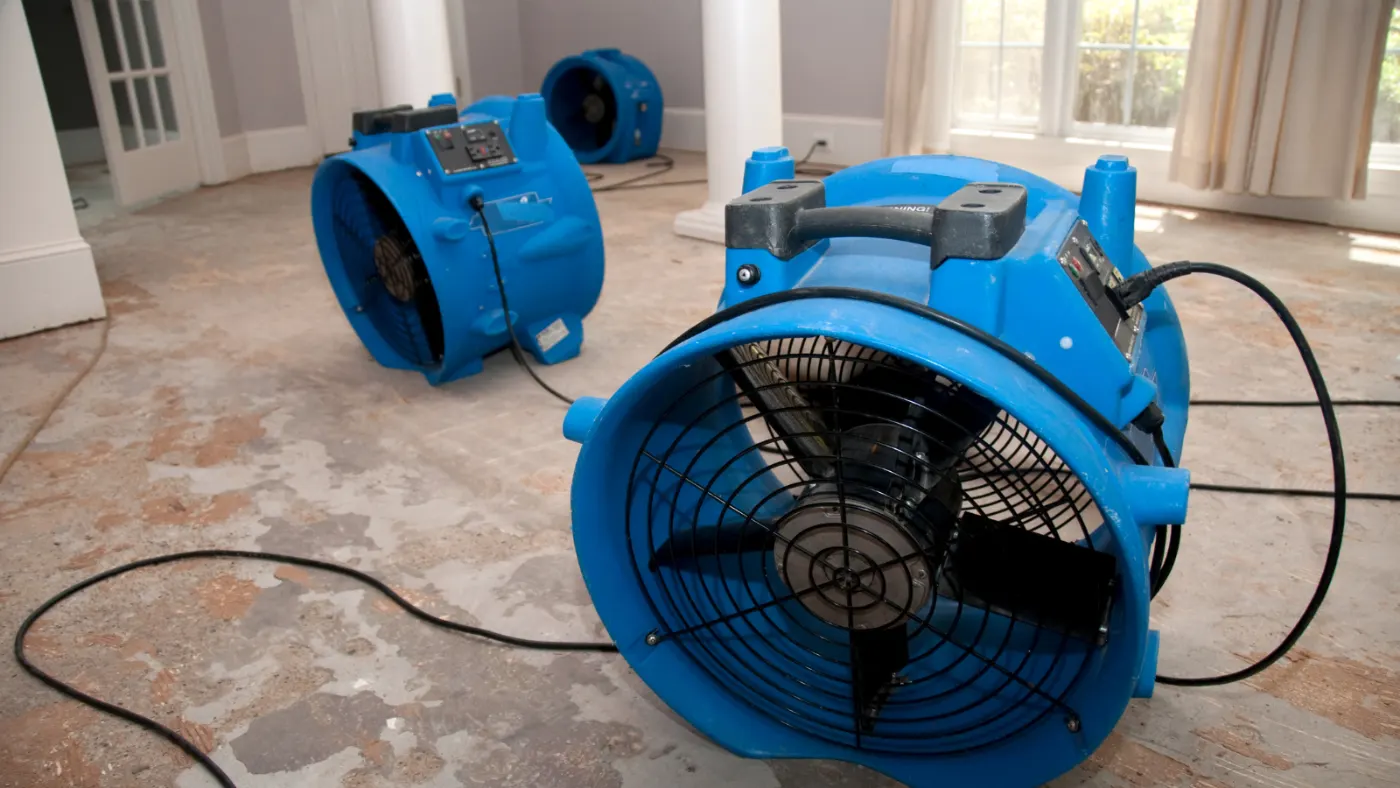
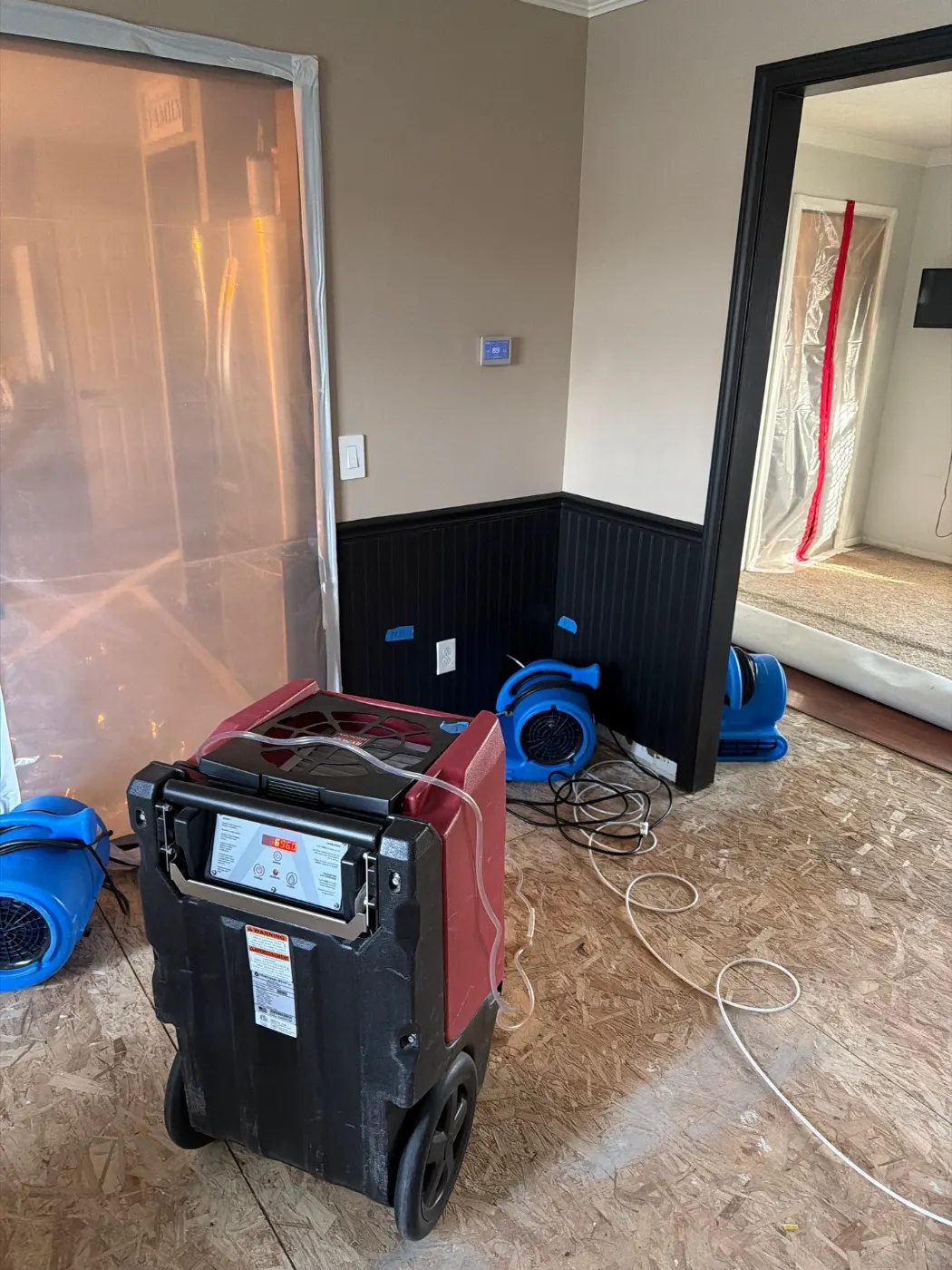
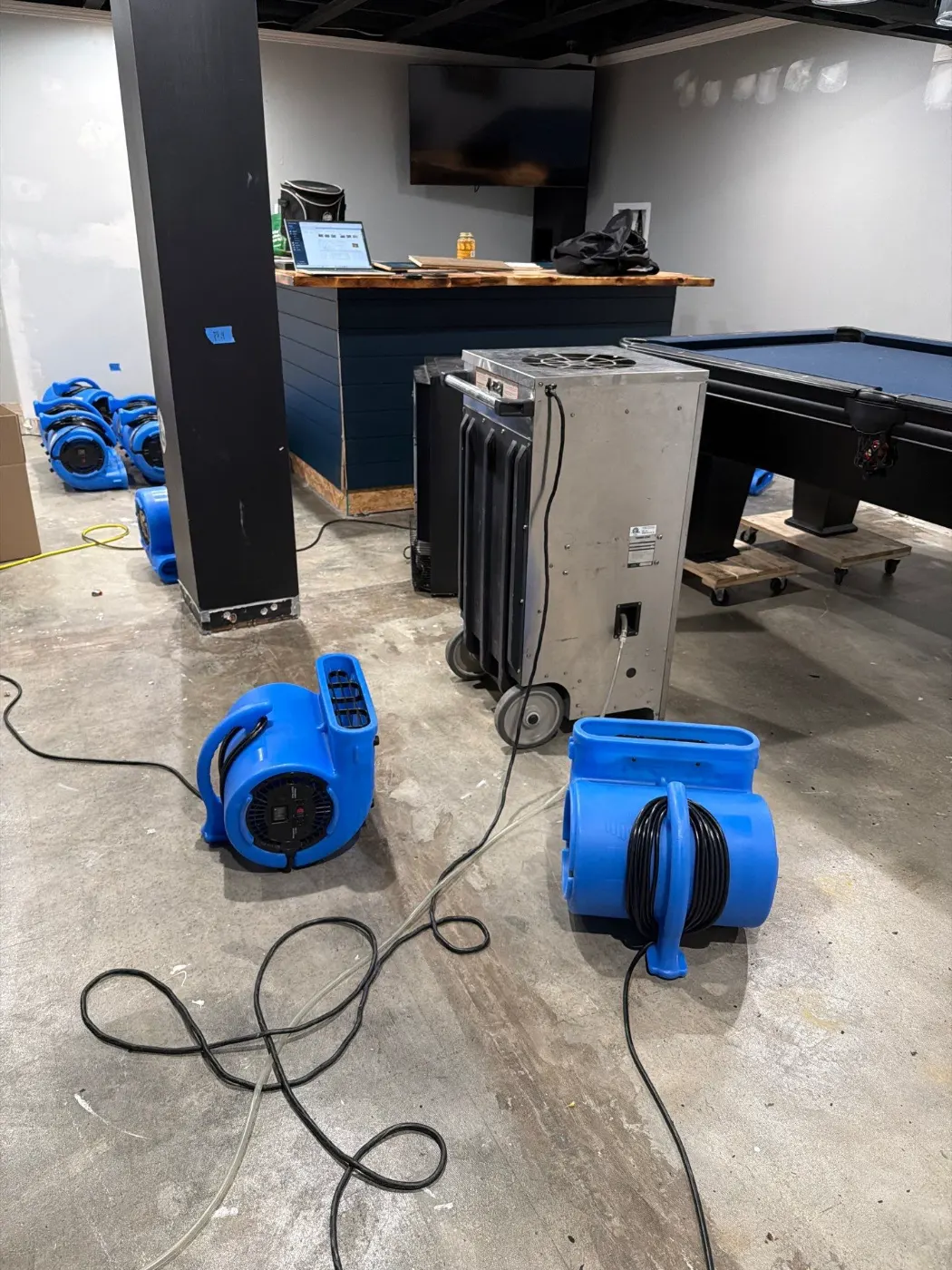
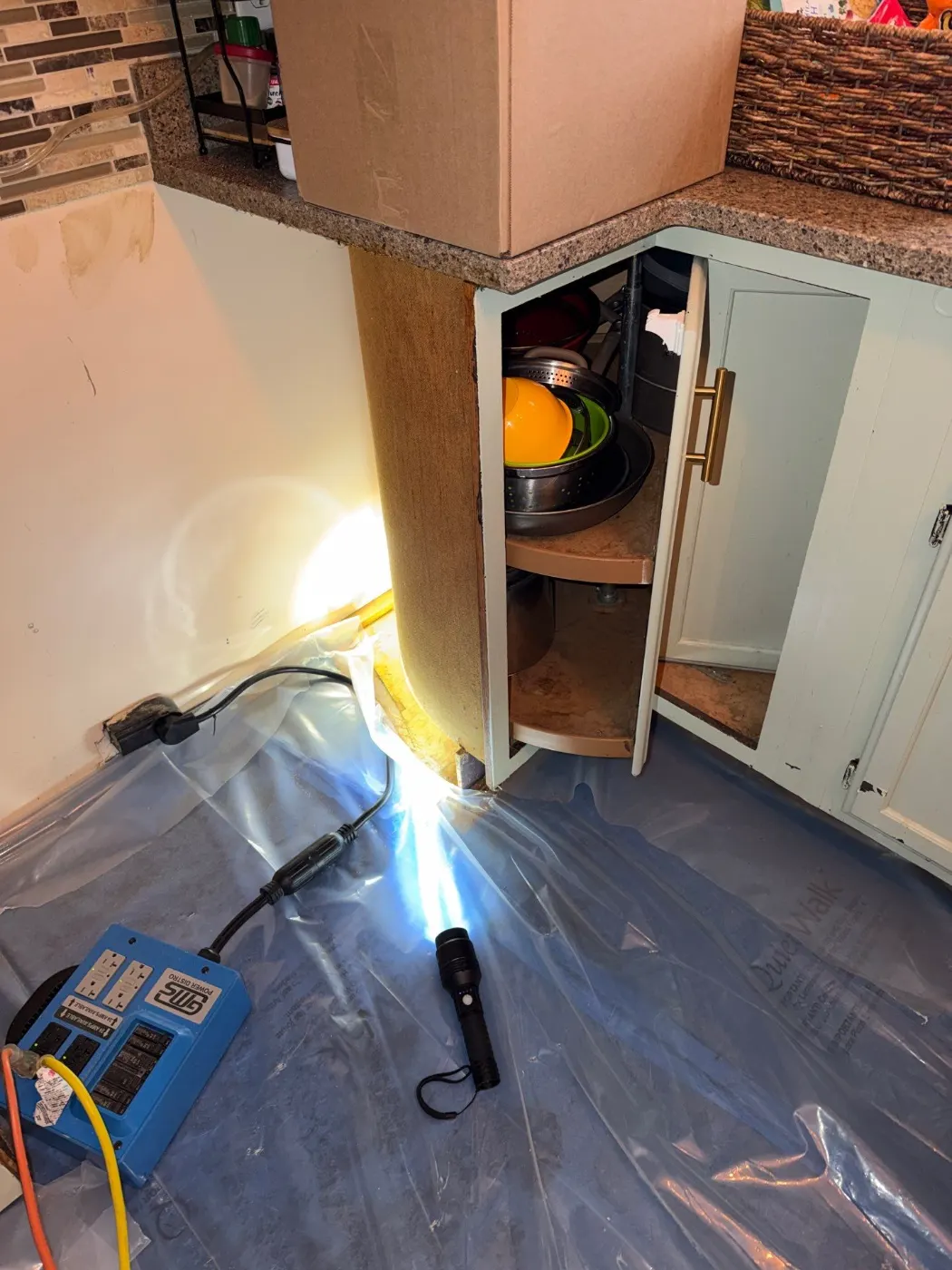
Photographs from real storm damage jobs completed by our crew in Cloverdale and surrounding areas.
Storm Damage FAQ
Questions Cloverdale homeowners ask us about storm damage restoration.
Guidance and Standards for Storm Damage
- The National Weather Service office in Indianapolis posts summaries of recent central Indiana storm and flood events. NWS Indianapolis Event Summaries
- The Indiana Department of Insurance advises against permanent repairs before your insurance company inspects the damage. Check your own policy for what it covers. Indiana Department of Insurance: Insurance Claim Tips
Cloverdale Neighborhoods We Serve
We take storm damage calls in every part of Cloverdale. Pick your neighborhood for local details.
Other Restoration Services in Cloverdale
Cloverdale Water Restoration handles the full scope of restoration work. Explore our other services below.
Water Damage Restoration in Cloverdale
24/7 emergency response. IICRC certified water restoration from extraction to full dry out.
Learn more →Basement Flooding in Cloverdale
Basement water emergencies handled fast. Extraction, drying, mold prevention.
Learn more →Sewage Cleanup in Cloverdale
Category 3 biohazard cleanup. Full containment, decontamination, structural restoration.
Learn more →Request Storm Damage Restoration
Reach Us Directly
Our team is available 24/7 for emergencies and ready to schedule inspections during business hours.
Need Immediate Help?
For active water or mold emergencies, call us directly. We are available 24/7.